Aims
The fundamental aim of the Ark Curriculum Plus science curriculum is that, through learning a body of knowledge relating to key concepts alongside learning about the practices of science, pupils will be equipped with the knowledge and skills required to understand the uses, limitations, and implications of science, today and in the future.
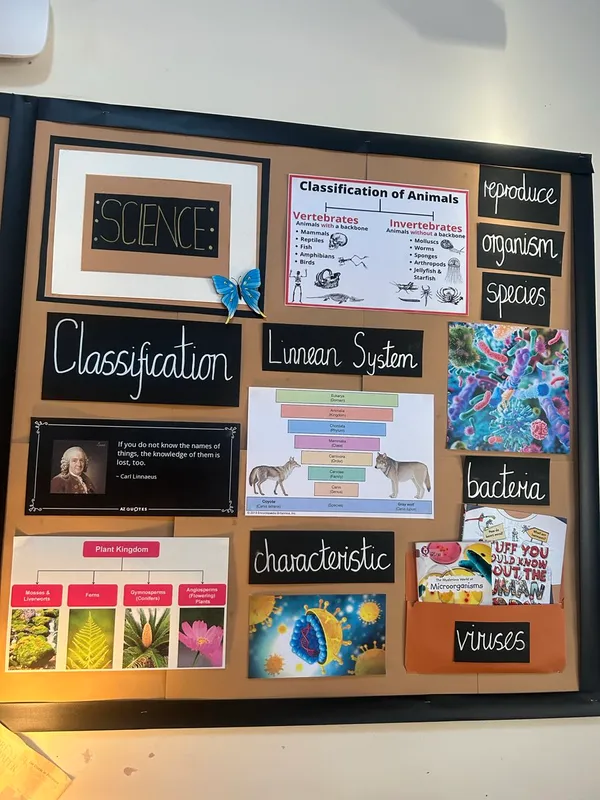
Through their study of key scientific concepts, such as the characteristics of living organisms, pupils start to make sense of the world around them, and as such develop a sense of excitement and become curious about phenomena in nature (Ofsted Research Review Series: Science, 2021). Through learning about the scientific method, it is intended that pupils develop an understanding of the nature, processes, and methods of science. This is achieved by exposing pupils to different types of scientific enquiry, enabling them to answer increasingly complex scientific questions. By learning how scientific knowledge becomes established through scientific enquiry, pupils will also appreciate the nature and status of scientific knowledge—for example, knowing that ‘facts’ are open to revision in the light of new evidence.
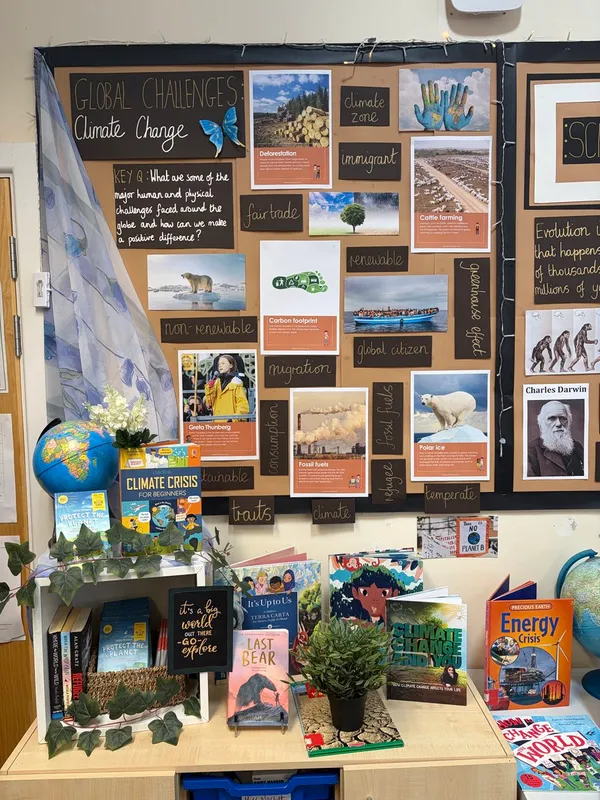
As pupils learn science, they also learn about its uses and significance to society and their own lives. This highlights the significant historical contribution science has made to our lives—for example, through our understanding of how to maintain a healthy body. Pupils will also learn about the continuing importance of science in solving contemporary global challenges such as climate change and food availability.
Substantive and disciplinary content in science
To become experts in the field of science, pupils need to build both substantive and disciplinary knowledge. Substantive knowledge refers to the knowledge of science—its concepts, models, laws, and theories. Disciplinary knowledge is knowledge of the practices of science—also known as the scientific method. It enables scientists to collect, understand, and evaluate scientific evidence.
The Ark Curriculum Plus science curriculum ensures that pupils not only have broad and strong substantive knowledge—a coherent knowledge of key scientific concepts but also an understanding of the scientific method. The content is structured so that pupils learn substantive content (the ‘facts’) alongside disciplinary content (‘how we know this’). By learning substantive and disciplinary knowledge together, pupils develop an understanding of the foundations of scientific knowledge and are able to articulate how this knowledge was gained and may be applied in a range of contexts. This enables pupils to begin to make connections between different aspects of their knowledge, securing a deeper level of understanding and providing a springboard to science learning at secondary level and beyond.