Aims
For pupils, the study of geography offers a uniquely powerful lens through which to see the world, helping them to see connections between places, people, and environments at a range of scales that would otherwise be missed. Pupils are pushed beyond the confines of their everyday experience, to encounter places and landscapes that they would otherwise not meaningfully understand. This brings a sense of awe and wonder of the world, increases care and compassion for the planet and its inhabitants, and raises understanding of and tolerance for different ways of living. Geography also teaches pupils about their own local environment, compelling them to reconsider what they thought they knew in a wider context. The study of geography is also a matter of citizenship as it helps young people to encounter and engage with their world, find their place within it, and offers them a stronger voice to discuss the issues that matter.
Substantive and disciplinary content in geography
Every subject is unique and includes its own substantive content and disciplinary content. The Ark Curriculum Plus geography programme is designed to ensure that pupils not only have broad and strong substantive knowledge, but also understand the discipline of geography. Every primary school teacher needs to understand the distinction between these two things—between substantive content and disciplinary content. The two are taught together—the content of the ACP geography curriculum is structured so that pupils learn substantive and disciplinary content at the same time—pupils learn both geographical ‘facts’ and how to make sense of them simultaneously. When pupils learn geography, they tackle these two closely linked types of content, each dependent on the other. Any inadequacy in one will weaken the other, and each plays a vital part in securing scope, coherence, rigour, and sequencing.
Substantive knowledge
Think about the subject of geography as a discipline. As Christine Counsell writes, within every subject, there are established facts—the substantive knowledge, the substance, the stuff, the building blocks of factual content. Substantive knowledge is crucial in helping us to interpret everything surrounding us that we hear, see and read (Counsell, 2021: 154).
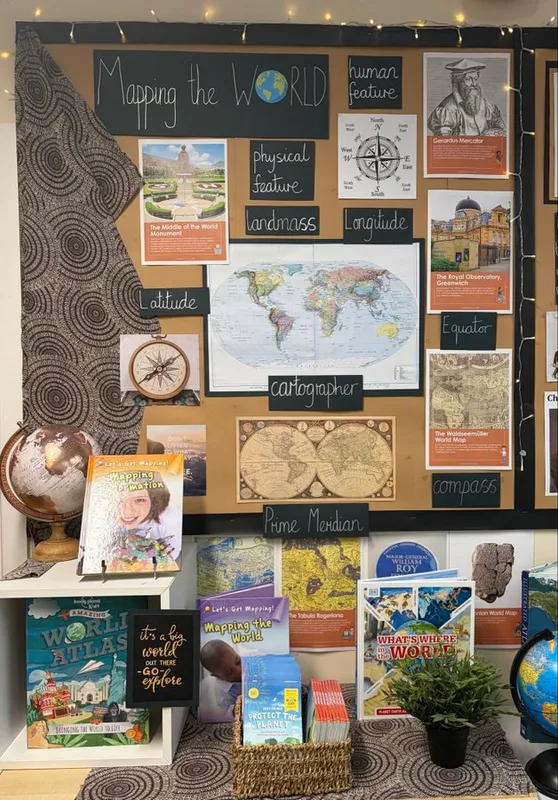
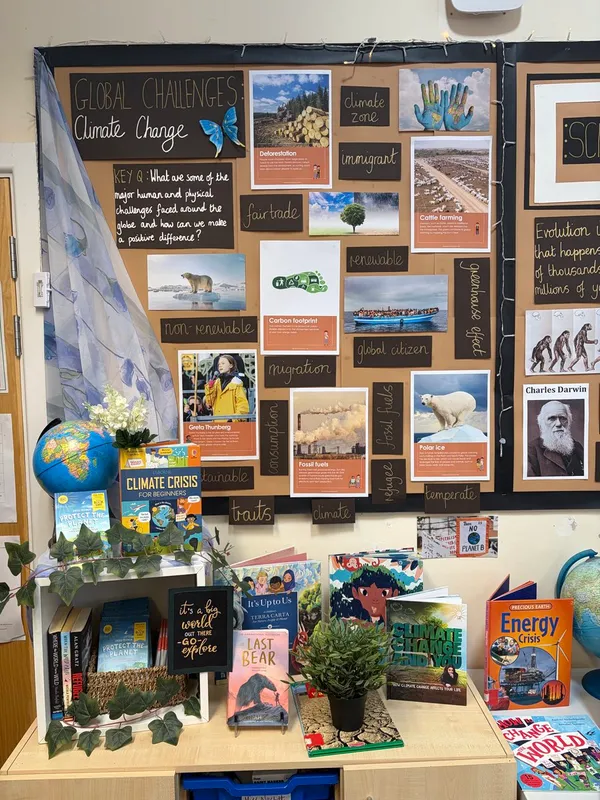
Geography is a cumulative and synoptic discipline. Pupils’ knowledge of what we often call substantive concepts such as ‘climate zone’, ‘migration’, and ‘continent’ come up time and time again in the geography curriculum. And we know if pupils are able to build up knowledge of these concepts—building richer and richer schemata of these concepts and terms over time that can help them access increasingly complex material throughout the curriculum, which helps them to learn, understand, and remember more—they make more progress.
Substantive geographical knowledge is divided into three overarching strands, which are referenced in the National Curriculum KS1 and KS2 programme of study. The three substantive strands are:
• Locational knowledge For example: location of globally significant places; geographical positioning that provides context for understanding.
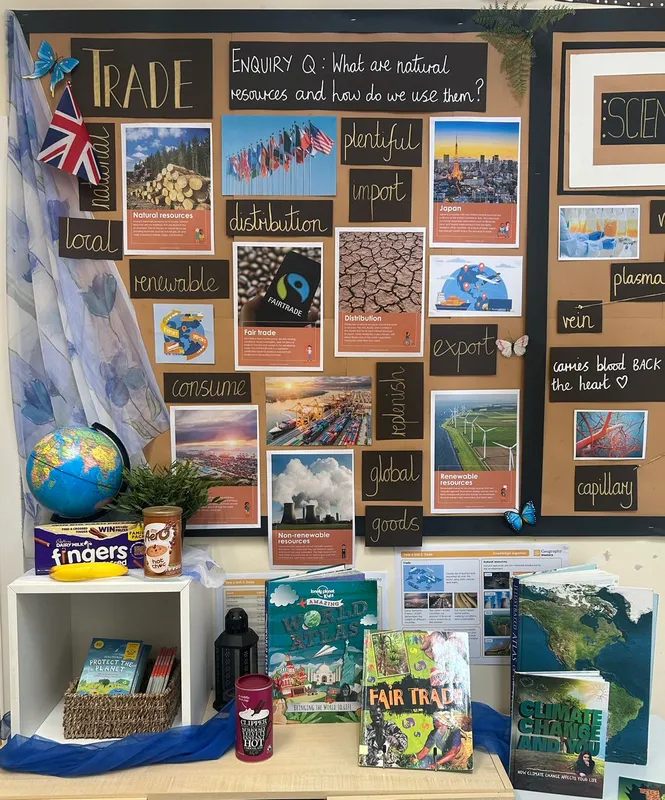
• Environmental, physical, and human geography For example: migration, climate zones, biomes, distribution of natural resources.
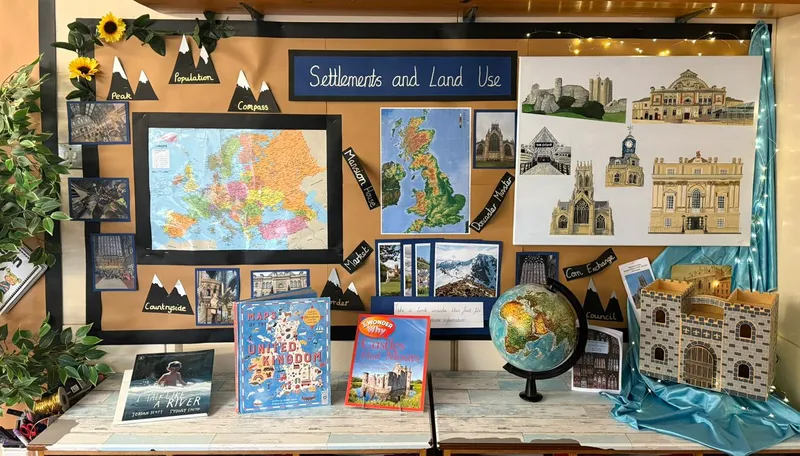
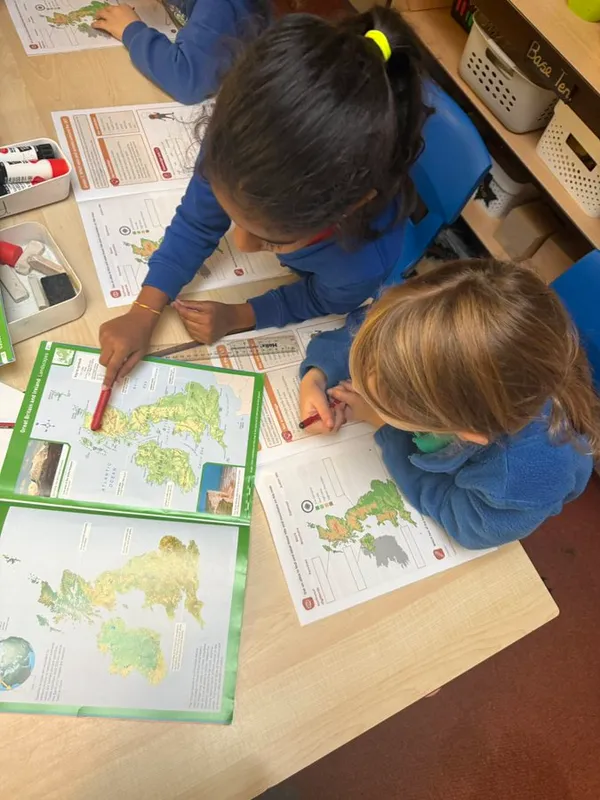
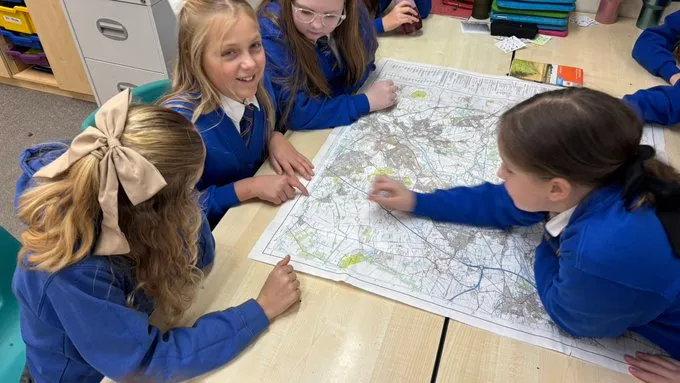
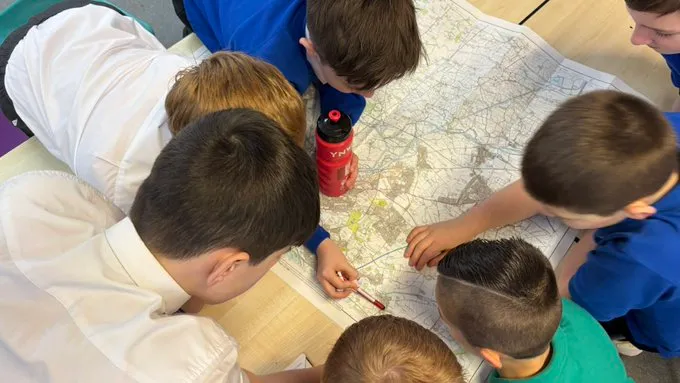
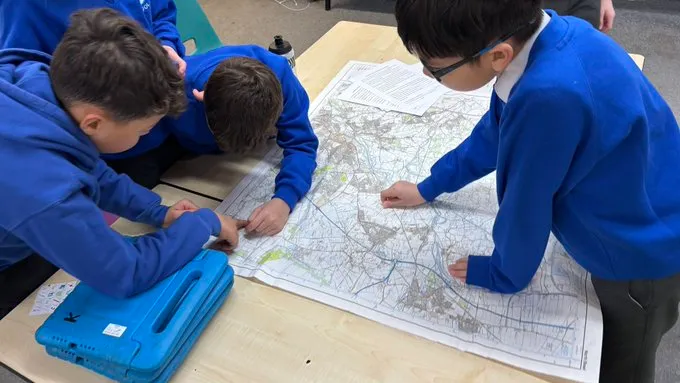
• Geographical skills and fieldwork (what you might also think of as procedural knowledge) For example: using maps and globes; collecting first-hand evidence.